Last Updated on October 18, 2026
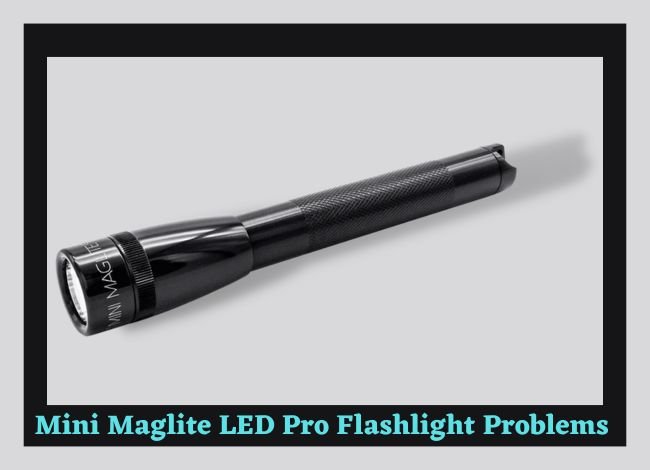
The Mini Maglite LED Pro flashlight is known for its durable aluminum construction, compact design, and powerful light output. Whether you use it around the house, at work, or during outdoor activities, it’s a practical flashlight to keep nearby.
However, like any electronic device, it can develop problems over time. You may notice flickering, reduced brightness, trouble turning it on, or a battery cap that refuses to open.
Fortunately, many Mini Maglite LED Pro flashlight problems are caused by weak batteries, dirty contacts, or simple maintenance issues rather than a completely failed flashlight.
In this guide, we’ll cover the most common problems, explain why they happen, and show you how to troubleshoot them safely. We’ll also discuss maintenance, updated specifications, warranty coverage, and frequently asked questions.
Common Mini Maglite LED Pro Flashlight Problems
Here are the most frequent issues owners may experience with the Mini Maglite LED Pro and the steps you can take to fix them.
1. Insufficient Battery Power
One of the most common reasons a Mini Maglite LED Pro flashlight stops working is insufficient battery power. Even though the problem seems obvious, it’s easy to overlook batteries that have been sitting inside the flashlight for months.
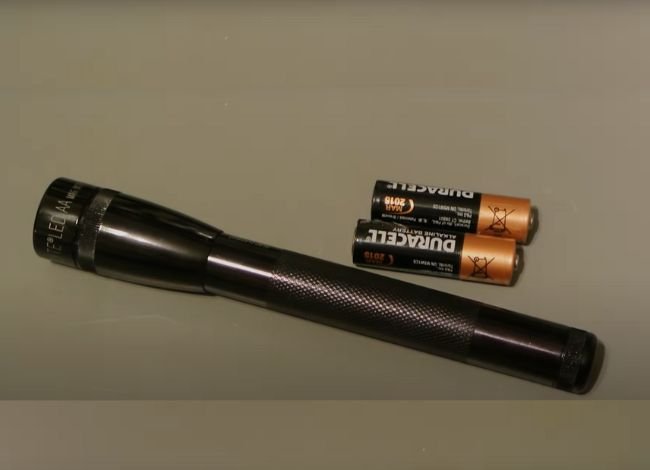
The Mini Maglite Pro LED uses two AA alkaline batteries. As the batteries lose power, the flashlight may become dim, flicker, or stop working.
Symptoms:
- Dim or inconsistent light output.
- Light flickers during use.
- Flashlight turns off unexpectedly.
- Flashlight fails to turn on.
How to fix it:
- Turn off the flashlight and unscrew the tail cap.
- Remove both AA batteries.
- Inspect them for leakage, corrosion, or other damage.
- Install two fresh, matching AA alkaline batteries.
- Make sure the positive (+) ends face toward the flashlight head.
- Close the battery cap securely and test the light.
Important: Always replace both batteries together. Avoid mixing old and new batteries or different battery types.
For additional information about battery chemistry and compatibility, read our guide to flashlight battery types.
2. Corroded Battery Contacts or Spring
Battery corrosion is another common reason the Mini Maglite LED Pro stops working. Alkaline batteries can leak as they age, leaving white or greenish deposits on the battery contacts and tail-cap spring.
These deposits interfere with electrical conductivity, preventing the flashlight from receiving consistent power.
Symptoms:
- No light despite installing new batteries.
- Visible white or green deposits around the contacts.
- Flickering when the flashlight moves.
- Battery cap becomes difficult to unscrew.
How to fix it:
- Remove the batteries if they can be taken out safely.
- Wear protective gloves and eye protection if leakage is visible.
- Use a dry cotton swab or soft brush to remove loose deposits.
- For alkaline-battery residue, apply a small amount of white vinegar to accessible affected areas using a cotton swab.
- Carefully wipe away the loosened residue.
- Clean accessible metal contacts with a small amount of isopropyl alcohol.
- Allow everything to dry completely before installing new batteries.
Caution: Never pour vinegar or other liquids into the flashlight. If the batteries are swollen or firmly stuck, don’t try to force them out.
If the tail cap won’t open, see our guide on removing a stuck Mini Maglite battery cap.
3. Dirt or Debris Inside the Flashlight
Dust, dirt, and small particles can accumulate around the tail-cap threads, battery contacts, and flashlight head. Over time, this buildup may interfere with electrical connections.
Symptoms:
- Light flickers when moved.
- Flashlight turns on and off randomly.
- Brightness changes unexpectedly.
- Twist-head operation feels rough or inconsistent.
How to fix it:
- Remove the batteries.
- Inspect the accessible battery compartment and cap threads.
- Use a soft, dry cloth or brush to remove dust and debris.
- Clean accessible electrical contacts carefully.
- Check that the cap threads are clean and undamaged.
- Reassemble the flashlight and test it.
Avoid spraying cleaning chemicals or compressed air directly into the LED electronics.
Also, don’t dismantle sealed internal components unnecessarily. Basic maintenance usually doesn’t require removing the LED module.
4. Faulty LED Driver or Internal Circuit
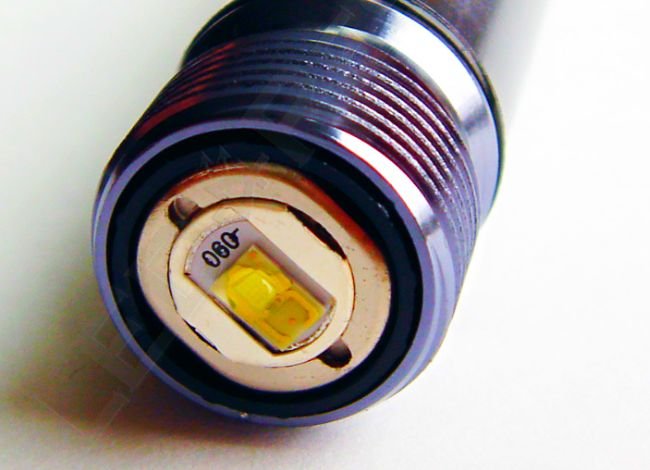
If the batteries and contacts are in good condition but the flashlight still doesn’t work, there may be an issue with the internal LED driver or electrical circuit.
The driver regulates power delivery to the LED. If it fails, the flashlight may stop working or produce inconsistent output.
Symptoms:
- Flashlight won’t turn on with fresh batteries.
- Intermittent operation despite clean battery contacts.
- Light stops working after an impact.
- Brightness behaves abnormally.
How to fix it:
- Confirm that the batteries are fresh and correctly installed.
- Inspect the tail-cap spring and accessible contacts.
- Check whether the flashlight head operates normally.
- If the problem continues, contact Maglite customer support.
Important: Unlike older incandescent Mini Maglite flashlights, the Mini Maglite LED Pro uses an integrated LED light engine. Its LED isn’t intended to be replaced like a traditional screw-in bulb.
Avoid attempting to remove or rewire the LED assembly unless you have appropriate technical experience.
5. Flashlight Head Won’t Turn Properly
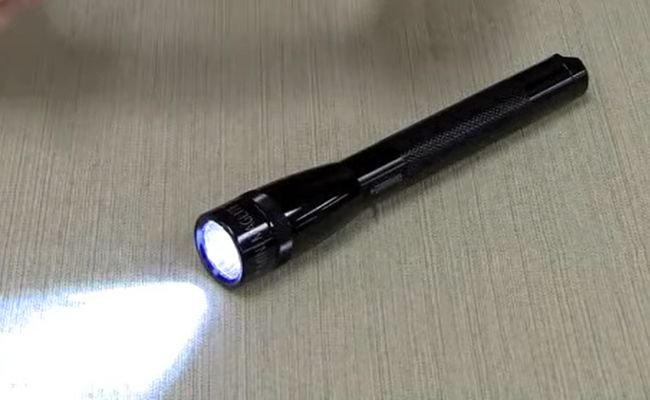
The Mini Maglite LED Pro uses a twist-head mechanism to control the flashlight and adjust the beam from spot to flood.
If the head becomes difficult to rotate, the problem may involve dirt, damaged threads, or wear.
Symptoms:
- Head feels unusually stiff.
- Flashlight won’t turn on when twisted.
- Beam adjustment becomes difficult.
- Head rotates unevenly.
Fix: Inspect accessible exterior threads for dirt or damage. Wipe away debris with a clean cloth and avoid overtightening the head.
Don’t use excessive force or apply general-purpose penetrating oil to the electrical assembly. If the head remains seized, professional service may be necessary.
6. Flashlight Flickers or Turns Off Randomly
If your Mini Maglite LED Pro flickers or shuts off unexpectedly, the most likely causes are weak batteries or an interrupted electrical connection.
A loose tail cap can sometimes prevent the spring from maintaining proper battery contact.
Try these steps:
- Replace both AA batteries.
- Check the spring inside the tail cap.
- Inspect accessible contact points for dirt or corrosion.
- Make sure the battery cap is securely installed.
- Test the flashlight without shaking or tapping it.
If it continues to flicker, an internal connection or LED driver may be defective.
How to Troubleshoot and Fix Your Mini Maglite LED Pro
Instead of replacing parts randomly, follow these steps to identify the cause of your flashlight problem.
Step 1: Remove and Inspect the Batteries
Unscrew the tail cap and remove both AA batteries. Inspect them carefully for leakage, swelling, or corrosion.
If you find damaged batteries, don’t reuse them. Follow the battery manufacturer’s disposal guidance.
Step 2: Inspect the Battery Contacts
Using another flashlight or phone light, inspect the spring and accessible contacts inside the battery compartment.
If you notice dirt or minor corrosion, clean the affected areas carefully and allow them to dry.
Step 3: Check the Twist-Head Mechanism
Unlike flashlights with separate push-button switches, the Mini Maglite LED Pro is operated by rotating its head.
Make sure the head moves normally and isn’t stuck because of dirt or damaged threads.
Also, remember that twisting the head changes the beam focus. A change in beam shape doesn’t necessarily indicate a problem with the LED.
Step 4: Install Fresh Batteries
Insert two new, matching AA alkaline batteries according to the polarity markings.
Maglite specifies AA alkaline batteries for the Mini Maglite Pro LED. Don’t substitute higher-voltage lithium-ion cells such as 14500 rechargeable batteries unless the manufacturer specifically approves them.
Step 5: Test the Flashlight
Turn the flashlight on and check whether the beam remains steady.
Rotate the head slowly to test the focus adjustment. If the flashlight still fails after these checks, the problem may involve an internal component.
Step 6: Contact Maglite If the Problem Continues
If your Mini Maglite LED Pro still won’t turn on, avoid opening the sealed LED electronics.
Contact Maglite customer support to check the available troubleshooting and service options.
Mini Maglite LED Pro Specifications in 2026
The Mini Maglite LED Pro remains a practical AA-powered flashlight. However, published specifications can differ between older versions and current listings.
Maglite’s current Mini Maglite Pro AA LED specifications list a maximum output of 332 lumens, replacing the older 245-lumen figure often mentioned in earlier reviews.
| Specification | Current Mini Maglite Pro AA LED |
|---|---|
| Maximum brightness | 332 lumens |
| Beam distance | 172 meters |
| Peak beam intensity | 7,399 candela |
| High-mode runtime | Approximately 2 hours 30 minutes |
| Extended runtime | Up to 13 hours on applicable lower-output setting |
| Battery type | 2 AA alkaline batteries |
| Beam adjustment | Adjustable spot-to-flood |
| Water resistance | IPX4 |
| Drop resistance | 1 meter |
| Length | 6.607 inches |
| Weight with batteries | 4.15 ounces |
| Rechargeable | No built-in charging |
These are specifications for the currently listed model. If you own an older Mini Maglite LED Pro, consult its packaging or manual for the correct performance ratings.
You can also view the manufacturer’s published specifications.
How to Maintain Your Mini Maglite LED Pro
Proper maintenance can prevent many Mini Maglite LED Pro flashlight problems and help keep it ready for emergencies.
- Clean regularly: Wipe the exterior and accessible contacts using a soft cloth.
- Store in a dry place: Keep the flashlight away from excessive moisture and heat.
- Remove batteries during long-term storage: This reduces the risk of battery leakage.
- Avoid unnecessary drops: Repeated impacts may damage internal components.
- Check battery condition: Inspect batteries periodically and replace them when their performance declines or they approach the manufacturer’s expiration date.
- Inspect the tail cap: Keep threads clean and avoid overtightening.
- Protect the lens: Clean the lens gently with a microfiber cloth.
If your flashlight is used in wet conditions, dry the exterior before putting it away. Remember that IPX4 water resistance protects against splashes, not submersion.
When to Use the Maglite Warranty
If you’ve tried basic troubleshooting and the flashlight still doesn’t work, it may be time to investigate warranty service.
Maglite provides limited warranty coverage on its flashlights, but coverage periods and exclusions depend on the product and applicable warranty terms.
Current Maglite LED flashlight listings commonly specify a 10-year limited warranty for qualifying defects rather than the lifetime coverage sometimes mentioned in older articles. Always check the warranty supplied with your particular Mini Maglite Pro.
What May Be Covered?
- Qualifying manufacturing defects.
- Defective parts or workmanship covered by the applicable warranty.
What Isn’t Normally Covered?
- Battery exhaustion or leakage.
- Damage caused by leaking batteries.
- Damage from misuse or unauthorized modifications.
- Normal wear or lack of maintenance.
- LED burnout or LED module failure where expressly excluded by the product’s warranty terms.
Important: Maglite specifically excludes battery-leakage damage from its flashlight warranty. If leaking batteries damaged your flashlight, the battery manufacturer may offer a separate device-damage claim process.
How to Request Service
- Visit Maglite’s official FAQ and warranty guidance.
- Identify your flashlight model and review its warranty terms.
- Describe the problem and any troubleshooting you’ve already attempted.
- Follow Maglite’s instructions for repair or warranty assessment.
Don’t send batteries with a flashlight being returned for warranty service.
Pros and Cons of the Mini Maglite LED Pro Flashlight
Despite occasional maintenance issues, the Mini Maglite LED Pro offers several advantages for everyday use.
| Pros | Cons |
|---|---|
| Compact, easy-to-carry design | Not designed for underwater use |
| Durable aluminum construction | Requires separate AA battery replacements |
| Up to 332 lumens on current model | No built-in USB charging |
| Adjustable spot-to-flood beam | Twist-head control may be less convenient than a button |
| Made in the USA | Alkaline battery leakage can cause corrosion |
| Widely available AA batteries | Integrated LED module isn’t a simple user-replaceable bulb |
FAQs About Mini Maglite LED Pro Flashlight Problems
1. How many lumens does the Mini Maglite LED Pro have?
The currently listed Mini Maglite Pro AA LED delivers up to 332 lumens. Older versions may have different output ratings, including 245 lumens. Check your particular model’s packaging or documentation for its specifications.
2. Why does my Mini Maglite LED Pro not turn on?
Weak batteries, corroded contacts, a loose tail cap, or a faulty internal circuit are possible causes. Start by replacing both AA batteries and cleaning accessible electrical contacts.
3. Is the Mini Maglite LED Pro waterproof?
No. The current model has an IPX4 water-resistance rating, meaning it can withstand splashing water. It isn’t designed to be submerged.
4. Can I use rechargeable batteries in the Mini Maglite LED Pro?
Maglite specifies two AA alkaline batteries for the current model. Don’t assume rechargeable NiMH or lithium-ion batteries are compatible without manufacturer approval. In particular, higher-voltage 14500 lithium-ion cells must not be substituted for ordinary AA batteries unless explicitly supported.
5. Where are Maglite flashlights made?
Maglite is an American flashlight manufacturer based in Ontario, California. The brand manufactures its Maglite flashlight products in the United States.
6. Is Maglite still a good flashlight brand?
Yes. Maglite remains a well-established flashlight brand known for durable aluminum construction, straightforward operation, and repair support. The Mini Maglite Pro is a reasonable choice for users who prefer replaceable AA batteries over built-in rechargeable systems.
Final Thoughts: Keep Your Mini Maglite LED Pro Working Smoothly
The Mini Maglite LED Pro is a reliable everyday flashlight with a strong aluminum body, adjustable beam, and convenient AA battery power. However, it still needs basic maintenance to perform consistently.
Most common Mini Maglite LED Pro flashlight problems can be traced to weak batteries, dirty contacts, corrosion, or mechanical wear. Checking these areas first can save you unnecessary repair costs.
If your flashlight still won’t work after troubleshooting, contact Maglite to discuss available service options rather than attempting complicated internal repairs.
And if you’re considering a replacement, take a look at our tactical flashlight comparison guide to explore other options for work, outdoor activities, and emergency use.
I’ve used the AA battery Mag lights for close to 20 years.
When the “LED” AA Mag lights came out. They were again my favorite flashlight for work, play, home toolbox’s & glovebox’s.
Because of their compact size. I had them staged everywhere for convenience.
I can’t count how many Mag lights I’ve replaced because of the flickering on & off when trying to use the light.
After several months of use.
I do my best to support
American made products.
But I’m not sure if the the light is still made in America with all the exact reoccurring trouble that hasn’t been alleviated since the introduction of the LED version. Looking for a new American made flashlight.